Which states permit carry?
States following the federal hemp definition without extra restrictions let travellers carry hemp-derived vapes across their lines, and this group covers the broad majority of the country. Anywhere recreational cannabis operates openly, hemp vapes travel even more freely, since the stricter product already moves lawfully there. Medical-only regions generally accept hemp-derived hardware, too, provided delta 9 THC stays under the 0.3 per cent threshold on a dry weight basis.
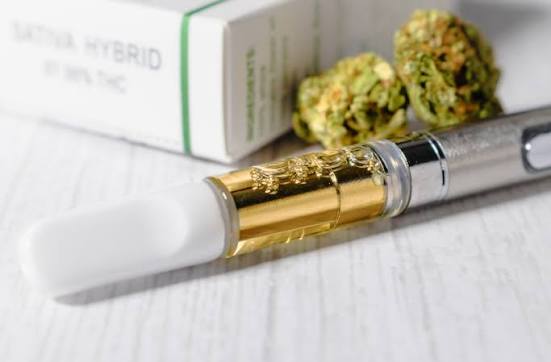
Product classification decides everything on the line. A sealed Exhale Wellness THCA disposable falls under hemp rules rather than marijuana statutes precisely because its delta-9 content sits below the federal ceiling, and the batch certificate printed on the packaging proves it. Travellers holding that documentation cross most internal borders without any legal question arising. Trouble concentrates in a smaller cluster of states that wrote their own tighter definitions, and knowing that cluster before departure is what separates smooth trips from confiscated luggage.
Where do restrictions bite?
A minority of states measure total THC rather than delta 9 alone, folding THCA into the count and pushing most raw cannabinoid vapes over their limit instantly. Several others ban intoxicating hemp products outright, regardless of any percentage math.
- Total THC states count THCA toward the ceiling, failing most disposables.
- Outright ban states prohibit intoxicating hemp in every format.
- A few states restrict vape hardware itself, separate from contents.
Checking the current statute of every state on the route, not merely the destination, closes the gap where most travellers get caught.
Federal layer overhead
Air travel adds one more rulebook on top of state lines. Airports and aircraft fall under federal jurisdiction, where hemp below 0.3 per cent delta 9 remains permitted, so a compliant disposable may fly in carry luggage as far as federal screening cares.
Battery rules then take over. Lithium cells belong in cabin bags, never checked luggage, and that aviation requirement applies to every vape regardless of what fills the cartridge.
Carrying with a cover
Documentation converts a checkpoint conversation from suspicion into paperwork in seconds. Original sealed packaging showing batch numbers, a printed lab certificate matching those numbers, and a purchase receipt together answer every question an officer can reasonably raise. Loose or refilled hardware offers none of that protection and invites the field test problem, where presumptive kits flag cannabinoid presence without measuring ratios. Keeping the device in its retail box inside cabin luggage, charged off and untouched during transit, keeps the entire encounter boring in the best sense. Travellers heading toward total THC states or ban states hold one clean option: ship nothing, carry nothing, and purchase locally where the law allows after arrival. Five minutes of statute checking the night before departure covers the whole map.
States using the plain federal hemp definition let compliant vapes cross their lines, while total THC states and outright ban states close the door regardless of paperwork. Sealed packaging, matching certificates, and a route check before travel keep the carry lawful wherever the trip leads.