

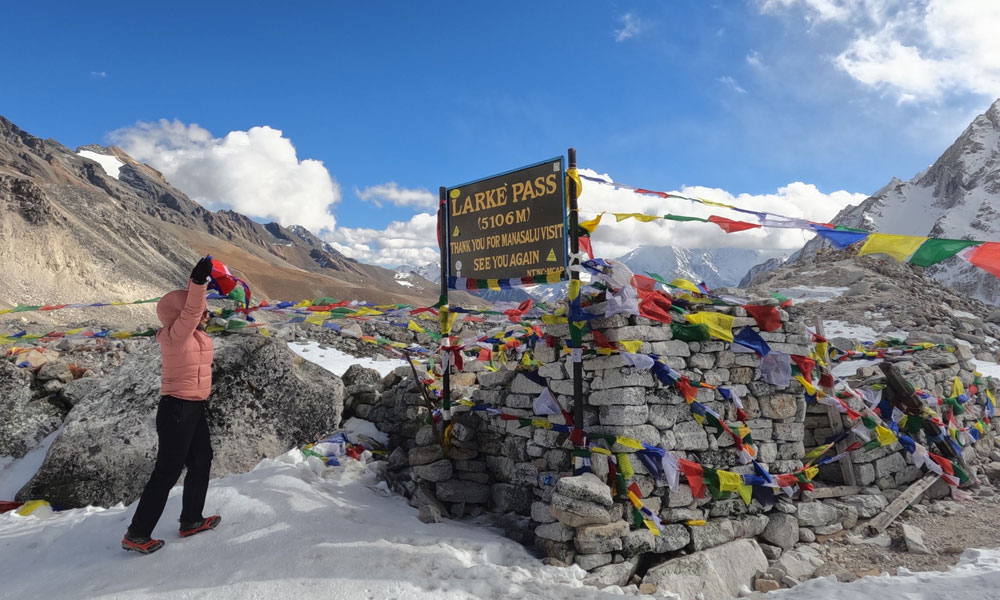
Getting the chance to have a solo journey, experience self-discovery, and introspection added as significant aspects, attracts more and more people towards the treks. The one that seems about right is the Manaslu Circuit Trek, with its least trodden trails and that genuine faraway feel. However, one thing you need to know from the start: you are not allowed to trek the Manaslu Circuit in Nepal without a guide or solo trek. This tract has its own tight Nepalese government regulations, but that doesn’t mean that you can’t take an urge-to-purge journey that feels intimate and released. This guide will help guide you through the know-hows and how to plan and accomplish a “solo” trek with rules kept tight for a successful and safe journey.
Know the Rules: The “No Solo Trekking” Law
Rule One – You Do Not Trek Alone! It’s the mantra of the Manaslu Circuit Trekking. It has been a mandatory rule from the Nepal Government that all foreign trekkers should walk the trails with a real licensed guide and a minimum of 2 trekkers. This rule is in place for a reason, because a guide will know how to address any issues, manage technical trails, and recognize the warning signs for altitude sickness. It’s a conservation tool as well, ensuring the money you spend to visit these areas helps protect the local landscapes and puts money back into the hands of these communities.
The ‘Solo’ Sidekick: Traveling With a Guide
How, then, does a lone traveler accomplish such a harmonious interior symbiosis? The answer is you can only do it if you have a licensed guide, along with a trekking agency. (The agency handles all logistics — securing permits, for example — and will pair you with another solo traveler or, in many cases, invent a paper “ghost” trekking partner to fill the two-person permit requirement.) From there, you have the chance to trek with no one else but your guide, so you get the personal experience, very much like trekking on your own. You set the pace and allow for a break or the daily routine of the task, but with all the support you will require from a professional.
Benefits of Having a Guide: Beyond Guiding and Navigating
Instead of restricting you, don’t refer to a guide as anything but for what it is: invaluable. On the Manaslu Circuit trek, your guide is your lifesaver. They are a cultural intermediary and can link you to locals and translate conversations. They offer essential advice about the trail, weather, and teahouses. But most importantly, they are trained in high-altitude first aid treatment — a difference, perhaps, between a minor problem and a life-threatening emergency. A guide means no logistics headaches and worries about safety to distract you from the beauty around you, and the personal achievement that comes with completing the trek.
Planning Your Itinerary with Freedom
A good trekking company will work to adjust your itinerary according to your own needs or style of trekking. If you want to spend longer at the base of Manaslu Base Camp Trek, then you could include a side trip to visit a remote monastery or just hang out at the base. You may be able to make adjustments with your guide. This adaptability is critical to the “solo” part of the experience. You’re under no obligation to a large group itinerary, so you can really shape the trip to be your own – and if you’re honest, the independence usually comes up being more valuable to you than taking an actual unassisted trek.
The Cost of a “Solo” Trek
Solo travel triggers, for many, the saving money psychological button, too. Not on the Manaslu Circuit, though. Solo trekkers pay more than group trekkers because you pay the full amount of the guide’s fee and, in some cases, you’ll have to pay the ghost trekker’s permit fee. Even if that is extra money, peace of mind and a personal service are worth it. It’s a sacrifice of personal safety and a better hiking experience.
Physical and Mental Preparation
Manaslu Circuit “solo” so not really-a-easy-fun-hiking trip that demands a lot tf physical and mental conditioning. No matter how much a guide can assist, you have to take every step of the walk. Honestly, just work on your fitness, particularly cardiovascular and leg strength, leading up to the trek. Get ready for a lonely, self-sufficient existence — even if you have a guide. Remote work is a confusing world, but it’s a fulfilling one.
The Importance of Travel Insurance
None of this is to say that in whatever style of trek you choose to go, you do not need full travel insurance. And that is especially the case — and exponentially so — for a “solo” trekker whose group of activists may not be so large in the event of an emergency. 1 Confirm your policy includes high-altitude trekking and, crucially, emergency helicopter evacuation. That’s an important backstop and a responsible part of the thinking of any plan you would make.
Picking the Right Company and Guide
The reports you get from the Manaslu Trek will depend heavily on how properly you handle it y using the company/manual. Locate a good neighborhood commercial enterprise with clean pricing and top-notch evaluations. Inquire into your guide’s background and if they can accommodate your desire for a more individual style trip. You are one choice away from really planning a “solo” trip that is not just successful and safe, but will be really memorable.
